Serene and Allergy-Friendly: The Best Small Hypoallergenic Dog Breeds for a Peaceful Home
For many people, the idea of having a furry companion in their home brings a sense of joy and comfort. However, for those who suffer from allergies, owning a dog can be a challenge. Allergies to pet dander can cause sneezing, itching, and other uncomfortable symptoms that can make living with a dog difficult. But fear not, there are small hypoallergenic dog breeds that are perfect for creating a serene and allergy-friendly environment in your home.
What Makes a Dog Hypoallergenic?
Hypoallergenic dog breeds are those that produce less dander, which is the main cause of allergic reactions in humans. Dander is a combination of dead skin cells and hair that can trigger allergies in sensitive individuals. Hypoallergenic dogs shed less and produce less dander, making them a better choice for people with allergies.
Top Small Hypoallergenic Dog Breeds
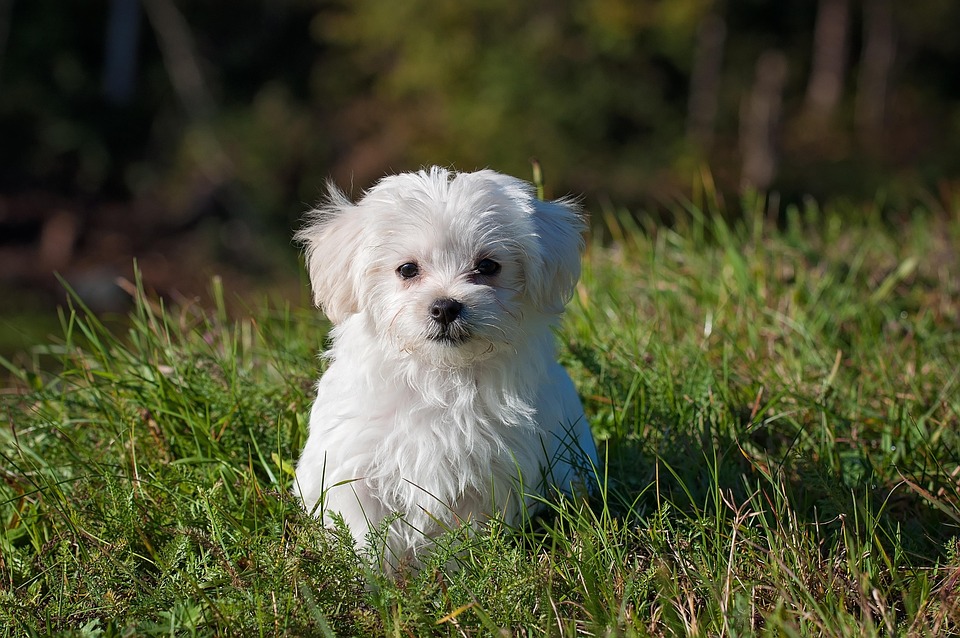
1. Maltese
The Maltese is a small, hypoallergenic dog breed known for its long, silky white coat. They are gentle, affectionate, and playful dogs that make great companions for families and individuals alike. Their lack of an undercoat means that they shed very little, making them a good choice for allergy sufferers.
2. Bichon Frise
The Bichon Frise is another small hypoallergenic breed that is known for its curly white coat. They are friendly, outgoing, and loving dogs that are great with children and other pets. Their coat is non-shedding, which means they produce less dander and are less likely to trigger allergies.
3. Shih Tzu
The Shih Tzu is a small hypoallergenic breed that is known for its long, flowing coat. They are affectionate, playful, and outgoing dogs that make great family pets. Despite their luxurious coat, Shih Tzus produce very little dander, making them a good choice for allergy sufferers.
4. Poodle
Poodles come in three sizes – toy, miniature, and standard – but all are considered hypoallergenic. Their curly, non-shedding coat makes them a popular choice for people with allergies. Poodles are intelligent, energetic, and easy to train, making them a great addition to any home.
5. Yorkshire Terrier
The Yorkshire Terrier, or Yorkie, is a small hypoallergenic breed known for its long, silky coat. They are spunky, affectionate, and energetic dogs that make great companions. Despite their long hair, Yorkies produce very little dander, making them a good choice for allergy sufferers.
Tips for Living with a Hypoallergenic Dog
While hypoallergenic dog breeds produce less dander, it is still important to take steps to minimize allergens in your home. Here are some tips for living with a hypoallergenic dog:
1. Groom Regularly
Regular grooming is essential for keeping your hypoallergenic dog’s coat clean and free of dander. Brushing your dog regularly can help remove loose hair and dander, reducing the amount of allergens in your home.
2. Bathe Your Dog
Bathing your dog regularly can help remove allergens from their coat and skin. Use a hypoallergenic shampoo that is gentle on your dog’s skin and won’t cause irritation.
3. Vacuum and Dust Frequently
Regular vacuuming and dusting can help remove allergens from your home. Be sure to use a vacuum with a HEPA filter to trap allergens and prevent them from being recirculated into the air.
4. Wash Your Dog’s Bedding
Washing your dog’s bedding regularly can help remove allergens and keep your home clean. Use a hypoallergenic detergent to avoid irritating your dog’s skin.
5. Keep Your Home Well-Ventilated
Proper ventilation can help reduce allergens in your home. Open windows and use fans to keep air circulating and prevent allergens from building up.
Conclusion
Living with allergies doesn’t mean you have to give up on your dream of owning a dog. With the right breed and proper care, you can enjoy the companionship of a small hypoallergenic dog without sacrificing your health and well-being. Consider one of the breeds mentioned above for a peaceful and allergy-friendly home.
Remember, it’s important to consult with your doctor before bringing a dog into your home if you have allergies. They can provide guidance on how to manage your symptoms and ensure a safe and healthy environment for both you and your furry friend.